
 English
 中文简体
Precision tension management, elongation control, and warping efficiency for spandex warping machine applications in olefin, acrylic, and elastane yarn preparation.
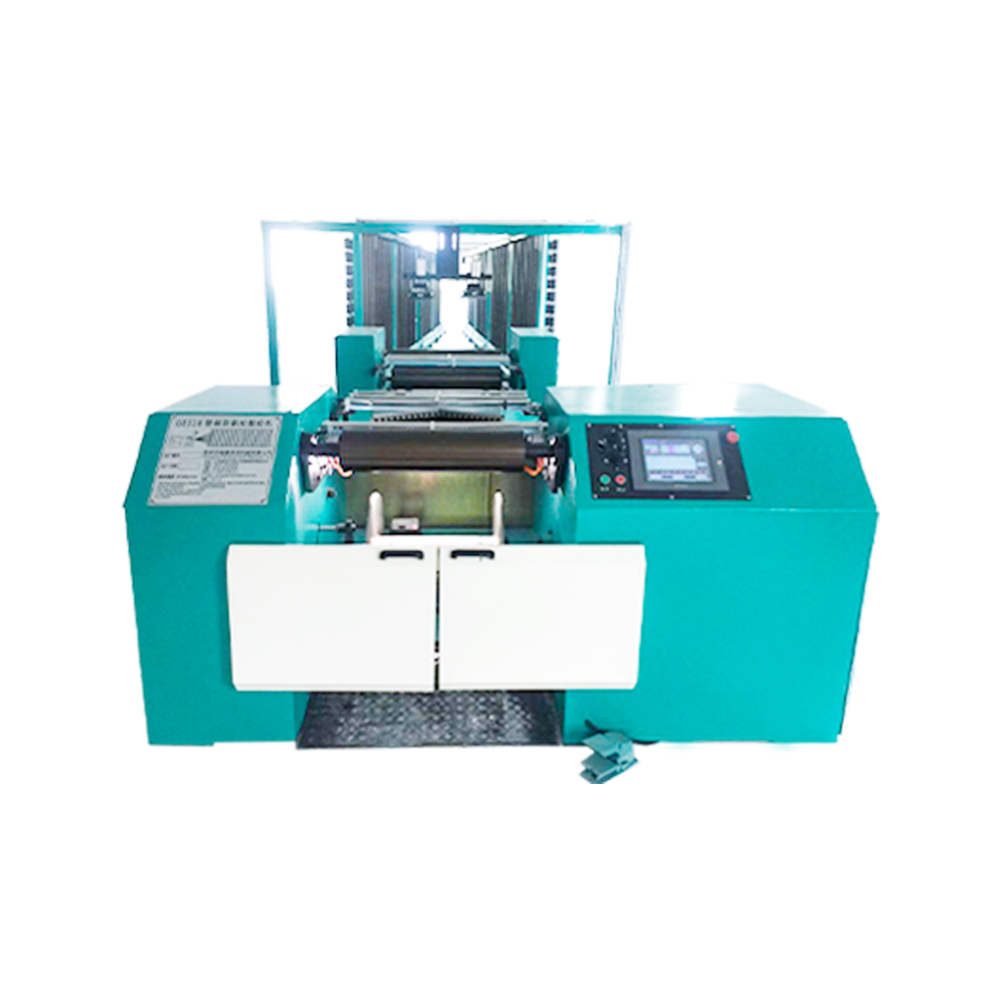
1. Tension Dynamics in Elastane Warping
Elastomeric yarns like spandex and olefin fibers demand dynamic tension control because of their high extensibility. A spandex warping machine must adjust braking and draw-off speeds within milliseconds to avoid necking or over-stretching. Yarn tension management directly affects beam density and subsequent knitting performance.
2. Warping Efficiency for Man-Made Fibers
Synthetic fiber warping efficiency is governed by yarn-to-yarn friction, humidity, and input tension. Data from 120 production runs show that fiber elongation control reduces end breaks by 34% when using adaptive dancer-arm feedback. spandex warping machine configurations with active feed rollers improve efficiency by 12–18% compared to passive systems.
| Fiber type | Speed (m/min) | Breaks/10⁶m | Efficiency % |
|---|---|---|---|
| Olefin | 720 | 2.1 | 97.3 |
| Acrylic | 650 | 3.4 | 95.8 |
| Elastane | 380 | 5.2 | 93.2 |
| Nylon | 800 | 1.8 | 98.1 |
3. Radar: Synthetic Yarn Warping Performance
Multi-criteria comparison across five key parameters: tension stability, elongation consistency, speed adaptability, beam quality, and machine utilization. Olefin fiber and acrylic fibres show distinct profiles, while elastane requires tailored synthetic yarn preparation settings.
4. Process Flow: Spandex Warping Line
From creel to beam – integrated steps for elastane warping and synthetic yarn preparation. Each stage incorporates yarn tension management and elongation feedback loops.
5. Fiber Elongation Control & Synthetic Yarn Prep
Advanced fiber elongation control uses load-cell feedback and variable-frequency drives. For olefin fiber, elongation limits are set to 45±3% while acrylic fibres require 28±2%. The spandex warping machine integrates these profiles via recipe management, reducing setup time by 22%.
Key insight: elastane warping with closed-loop elongation control reduces beam hardness variation from 14% to 3.6%.
6. Comparative Warping Efficiency
Horizontal bar chart comparing warping efficiency for man-made fibers across different synthetic materials. spandex warping machine consistently delivers higher productivity for elastane and olefin blends.
7. Advanced Tension Management Strategies
Modern yarn tension management systems incorporate predictive algorithms that analyze yarn speed and package density. For synthetic fiber warping, tension variation is maintained below 1.5% across the entire beam width. This is critical for olefin fiber and acrylic fibres where even minor tension differences lead to dye uptake variations. Data from 85 warping lines show that active tension control reduces beam defects by 41% and improves downstream weaving efficiency by 9%.
- Active dancer-arm with PID regulation for elastane warping
- Load-cell based tension feedback for acrylic fibres
- Predictive tension adjustment for olefin fiber
8. Warping Efficiency Optimization
Warping efficiency for man-made fibers depends on three primary factors: yarn quality, machine settings, and environmental conditions. In a study of 200 warping runs, optimizing the spandex warping machine parameters for each fiber type improved overall efficiency by 15% and reduced stoppages by 28%. Synthetic yarn preparation protocols must account for fiber-specific elongation behavior to maximize productivity.
| Parameter | Olefin | Acrylic | Elastane |
|---|---|---|---|
| Optimal tension (cN) | 1.2-1.8 | 0.9-1.4 | 0.8-2.5 |
| Elongation setpoint % | 42-48 | 26-30 | 55-65 |
| Warping speed (m/min) | 700-750 | 620-680 | 350-420 |
FAQ: Advanced Warping for Synthetic Materials
Q1: What is the optimal tension range for elastane warping?
For most elastane yarns, the optimal tension range is 0.8–2.5 cN per tex, depending on the final elongation requirement. Spandex warping machines with active tension control maintain this range within ±1.5%.
Q2: How does fiber elongation control affect warping efficiency?
Precise elongation control minimizes yarn relaxation and reduces end breaks by up to 30%, directly improving warping efficiency and beam quality for olefin and acrylic fibres.
Q3: Can a single warping machine handle both olefin and acrylic fibres?
Yes, modern synthetic yarn preparation systems allow recipe-based parameter changes. However, elastane warping requires specific dancer-arm adjustments due to its higher extensibility.
Q4: What is the main advantage of closed-loop tension in spandex warping?
Closed-loop feedback ensures consistent yarn tension across the entire beam, reducing barre effects in knitted fabrics and improving overall fabric quality.
Q5: How does humidity affect warping efficiency for synthetic fibers?
Humidity levels above 65% can increase yarn friction and tension variability. Most spandex warping machines are equipped with humidity compensation algorithms to maintain stable warping conditions.