
 English
 中文简体
What Is Yarn and Why Its Structure Defines Fabric Outcomes
Yarn is the continuous strand of fiber, twisted or bonded together, that forms the raw material feeding every downstream weaving operation. Before a single pick is inserted on a loom, the physical properties of that yarn, its evenness, twist level, and surface consistency, already determine how the finished fabric will look and perform. Weaving preparation teams that treat yarn selection as a secondary concern often discover the true cost later, when fabric rolls arrive with visible streaks, uneven tension lines, or dimensional distortion that cannot be corrected after the fact.
In practical terms, yarn used in modern weaving preparation falls into a handful of broad categories. Spun yarn is produced by twisting short staple fibers together, giving it a slightly textured surface and moderate strength. Filament yarn is made from continuous strands, producing a smoother, more uniform thread that behaves predictably under tension. Blended yarn combines two or more fiber types to balance cost, strength, and hand feel, while textured yarn undergoes additional processing to add bulk, stretch, or a specific surface character. Each of these types responds differently once it reaches a warping machine, which is why matching yarn type to warping method is one of the first decisions a preparation team makes.
The reason this matters so much comes down to how warping concentrates variability. A single warping beam can carry several hundred individual yarn ends running in parallel. If even a small percentage of those ends have inconsistent diameter, twist, or elasticity, the differences compound across the width of the beam and eventually show up as visible defects in the woven cloth. Understanding yarn structure is therefore not an academic exercise, it is the foundation that everything else in this article, from grey scale evaluation to beam quality control, is built on.
Two additional properties deserve attention alongside fiber type: yarn count and twist per unit length. Yarn count describes the relationship between length and weight, and a preparation team working with finer counts generally needs tighter tension tolerances, since thinner yarn has less mass to resist small fluctuations in pull. Twist per unit length affects both strength and the amount of residual torque stored in the strand, which becomes directly relevant later when discussing spirality. A yarn supplier that documents both properties consistently for every lot gives the preparation team a meaningful head start before any yarn touches a warping machine.
It is also worth noting that yarn behavior is rarely static once it leaves the spinning or texturing stage. Storage conditions, humidity exposure, and even how long a package sits before use can shift elasticity and surface friction slightly. Facilities that store yarn in climate controlled areas and rotate stock on a first-in, first-out basis tend to see fewer surprises during warping, simply because the yarn reaching the creel behaves closer to how it was originally specified.
Why Grey Scale Ratings Matter for Consistent Yarn Evaluation
Grey scale rating is a standardized visual comparison method used across textile production to judge how closely a sample matches a reference standard, most commonly for color consistency, staining resistance, and surface contamination. The scale typically runs from one to five, with five representing a near perfect match to the reference and one representing a severe visible deviation. While grey scale is often associated with dyeing and finishing, it plays an equally important role earlier in the process, during raw yarn inspection before warping ever begins.
When a preparation team scores incoming yarn lots against a grey scale reference, they are effectively screening for batch-to-batch variation that a warping machine cannot correct. A lot that scores below an acceptable threshold, typically below a rating of four in most quality programs, is far more likely to introduce visible banding or shade variation once it is woven and later dyed or finished. This is especially critical for non-copy warping machine processes, where many small yarn packages are combined directly onto a single beam without an intermediate consolidation step.
| Grey Scale Rating | Visual Deviation Level | Recommended Action |
|---|---|---|
| 5 | No visible deviation | Approved for direct warping |
| 4 | Slight, acceptable deviation | Approved with routine monitoring |
| 3 | Moderate deviation | Segregate lot, retest before use |
| 2 | Noticeable deviation | Hold for review, avoid blending |
| 1 | Severe deviation | Reject or downgrade to non-critical use |
Consistent grey scale screening protects everything downstream. It reduces the chance that a mixed batch of yarn packages, each carrying slightly different characteristics, ends up on the same beam and produces streaking that only becomes obvious once the fabric is under tension on the loom.
What Causes Puckering and Spirality in Woven Fabric
Puckering describes a localized wrinkling or rippling of the fabric surface that appears after weaving, typically caused by uneven tension between adjacent yarn ends. When some ends on a warping beam are wound tighter than others, the looser ends relax after weaving while the tighter ends remain taut, creating a visible ridge pattern. Puckering is one of the most common complaints raised by fabric inspection teams, and in the vast majority of cases the root cause traces back to inconsistent tension control during warping rather than a fault in the weaving stage itself.
Spirality is a related but distinct defect in which the fabric develops a diagonal skew, most visible as a twist in the direction of the wale or course lines. It is typically caused by residual torque in the yarn itself, often from an imbalance in twist direction or twist level across the ends being combined on a beam. Spirality tends to worsen with fabric relaxation during finishing, which is why it often goes undetected at the loom stage and only becomes a costly problem after the fabric has already moved downstream.
- Uneven let-off tension across the width of the warping beam
- Mixing yarn packages with different twist levels on the same beam
- Inconsistent creel tension caused by worn tensioning components
- Temperature and humidity fluctuations affecting yarn elasticity during storage
- Beam surface irregularities that cause localized friction differences
Both defects share a common thread, they are far cheaper to prevent during warping than to correct after weaving. This is precisely why warping machine selection and beam quality control deserve the level of attention typically reserved for the loom itself.
How Copy Warping Machines and Non-Copy Warping Machines Differ
The choice between a copy warping machine and a non-copy warping machine shapes almost every downstream quality outcome discussed so far. A copy warping machine works by first winding yarn onto a drum in a precise, repeatable pattern, then transferring that pattern onto the final beam. This intermediate step allows tension to be measured and corrected before the yarn ever reaches the beam, which is why copy warping is generally favored for short to medium production runs where pattern accuracy and color sequencing matter most.
A non-copy warping machine, by contrast, winds yarn directly from a creel of individual packages onto the beam in a single continuous pass. This direct method is faster and more cost effective for long, uniform production runs, but it places a much heavier burden on upstream yarn quality and creel tension consistency, since there is no intermediate correction step. Any variation present in the source packages transfers almost directly to the finished beam.
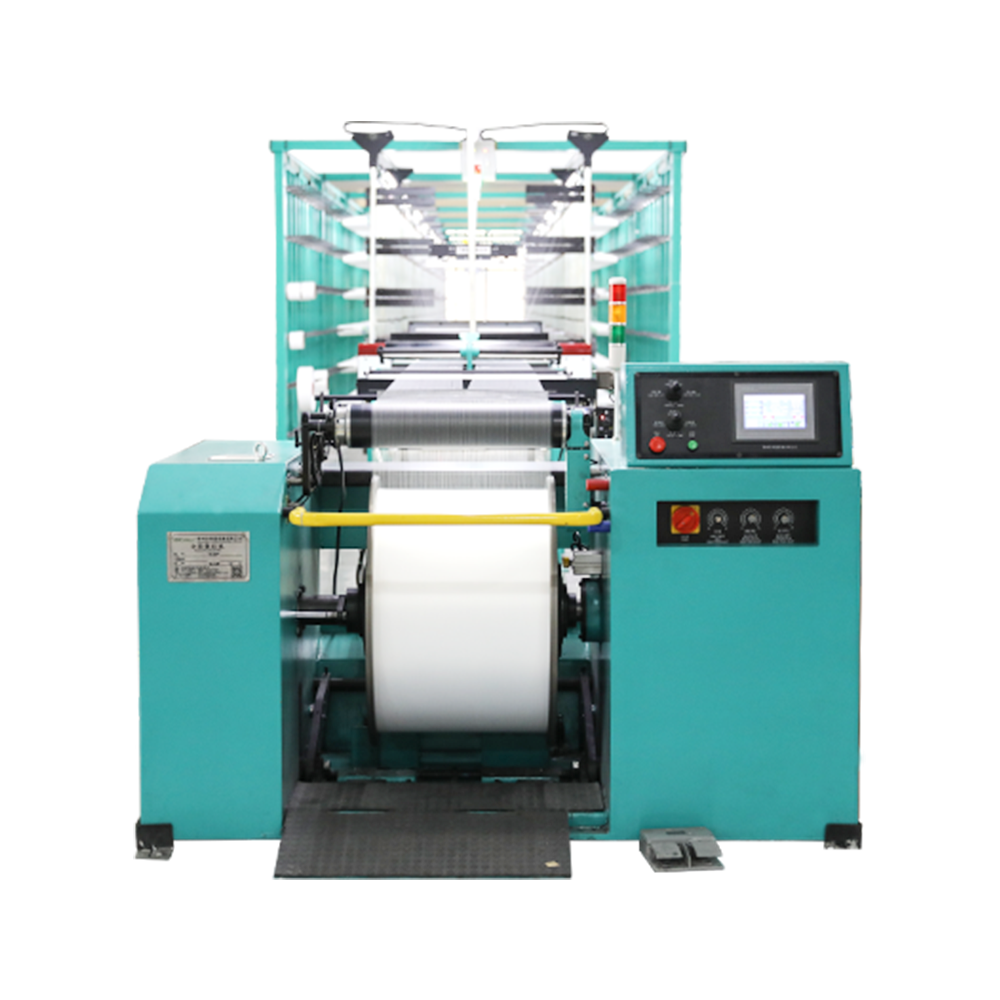
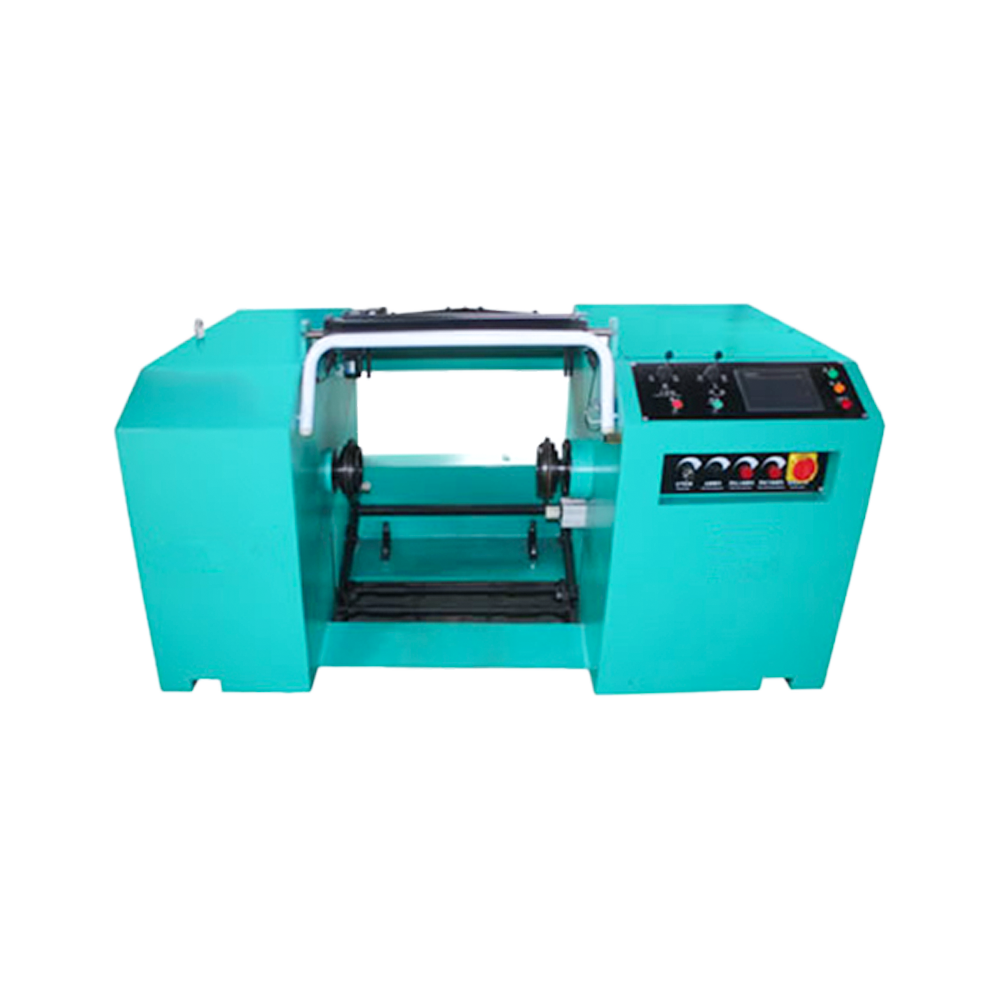
| Attribute | Copy Warping Machine | Non-Copy Warping Machine |
|---|---|---|
| Best suited for | Short to medium runs, complex patterns | Long, uniform production runs |
| Tension correction | Available at drum stage | Limited to creel adjustment only |
| Setup time | Longer, more preparation steps | Shorter, fewer intermediate stages |
| Sensitivity to yarn variation | Lower, correctable mid-process | Higher, directly transferred to beam |
| Typical output speed | Moderate | Higher |
Neither method is universally superior, the correct choice depends on production scale, pattern complexity, and how tightly the incoming yarn is already controlled. Many preparation facilities run both types side by side, routing orders to whichever machine best matches the specific job requirements.
Warping Beam Quality: The Foundation of Tension Uniformity
Regardless of which warping method is used, the finished result is only as good as the warping beam it is wound onto. Beam surface condition, flange alignment, and barrel roundness all directly influence how evenly tension distributes across the full width of the yarn sheet. A beam with even minor surface wear or flange misalignment can introduce localized tension spikes that are invisible during warping but become obvious once the yarn is placed under weaving tension.
Facilities that track beam condition against tension deviation consistently find a strong relationship between the two. Newer or well-maintained beams typically hold tension variation within a narrow, manageable band, while beams with visible wear or previous damage show a much wider spread, often correlating directly with higher rates of puckering complaints further down the line.

The practical takeaway is straightforward, beam inspection deserves a fixed place in preventive maintenance schedules rather than being addressed only after defects appear. Rotating beams out of service based on measured tension deviation, rather than age alone, gives preparation teams a more reliable way to control the single largest variable they can act on directly.
How Warping Process Optimization Works Step by Step
Optimizing the warping process is rarely about a single fix, it is a sequence of checkpoints that each catch a different category of potential defect before it reaches the loom. The diagram below outlines the core sequence most preparation teams follow when tightening quality control across a warping line.
Each checkpoint targets a specific failure mode identified earlier in this article. Grey scale screening catches yarn lot inconsistency before it reaches the warping machine. Package sorting reduces the risk of mixing incompatible twist levels on the same beam, one of the leading causes of spirality. Creel tension calibration and in-process monitoring together address the tension variation responsible for most puckering complaints. The final beam inspection step confirms that all upstream corrections held through the full run before the beam is released to weaving.
Data Insights: Defect Trends Before and After Warping Optimization
Facilities that formalize the checkpoint sequence described above typically see measurable improvement within a few production weeks rather than months. The following trend, drawn from a representative preparation line tracking weekly defect rates, illustrates a common pattern, an initial plateau while new procedures are adopted, followed by a steady decline as operators adjust.
Behind an aggregate trend like this sits a mix of defect categories, and knowing which ones dominate helps a team prioritize corrective effort. Puckering and spirality are typically the two largest contributors before optimization, with contamination-related defects, largely caught by grey scale screening, making up a smaller but persistent share.
The consistent message across both charts is that tension and twist-related issues, not raw material defects, remain the dominant category. This reinforces why warping machine selection and beam quality management deserve priority over broader material sourcing changes when a preparation line is chasing quality improvement.
Best Practices Checklist for Weaving Preparation Teams
A preparation line rarely fails because of one dramatic event, it drifts slowly as small tolerances stack up across grey scale screening, twist sorting, and beam condition, until the combined effect becomes visible on the loom.
The checklist below consolidates the practices covered throughout this article into a routine that fits within most existing quality programs without requiring major capital investment.
- Score every incoming yarn lot against a grey scale reference before it is approved for warping
- Sort packages by twist level and lot before creel loading to avoid mixed-tension beams
- Calibrate creel tension at the start of each shift, not only after a defect is reported
- Match production runs to the warping method best suited to their length and pattern complexity
- Track beam condition against measured tension deviation rather than relying on age alone
- Review defect data by category on a weekly basis to catch emerging trends early
None of these steps require replacing existing equipment outright. Most preparation lines can implement the full checklist using the machines already on the floor, provided the checkpoints are enforced consistently rather than treated as optional guidance.
The teams that sustain these gains over time typically share one habit beyond the checklist itself, they assign clear ownership for each checkpoint rather than treating quality as a shared, diffuse responsibility. When a specific operator is accountable for grey scale screening and another is accountable for creel calibration, gaps are far less likely to go unnoticed during busy production periods. Pairing this ownership structure with a simple weekly review meeting, where defect data is discussed openly rather than filed away, tends to keep the improvements from fading once the initial push for change loses momentum.
Finally, it helps to treat the checklist as a living document rather than a fixed policy. As new yarn types, finishes, or production speeds are introduced, the specific thresholds behind each checkpoint, such as the minimum acceptable grey scale rating or the maximum tolerable tension deviation, may need to shift. Reviewing these thresholds on a set schedule, rather than only after a defect spike, keeps the entire system responsive to how the operation actually evolves rather than how it looked when the checklist was first written.
Frequently Asked Questions
Q1: What is the main difference between a copy warping machine and a non-copy warping machine?
A copy warping machine winds yarn onto an intermediate drum before transferring it to the final beam, allowing tension correction along the way. A non-copy warping machine winds directly from the creel to the beam in a single pass, which is faster but more sensitive to upstream yarn variation.
Q2: How does grey scale rating relate to warping quality?
Grey scale rating screens incoming yarn for visual consistency before it reaches the warping stage. Yarn lots that score poorly are more likely to introduce shade variation or streaking once combined on a beam, so screening at this point reduces downstream defects.
Q3: What is the most common cause of puckering in woven fabric?
Puckering is most commonly caused by uneven tension across the yarn ends on a warping beam. Once the fabric relaxes after weaving, the unevenly tensioned areas produce visible ridges or wrinkles on the surface.
Q4: Can spirality be corrected after weaving?
Spirality is difficult to fully correct once it appears, since it stems from residual torque built into the yarn itself. Prevention through consistent twist sorting before warping is far more effective than attempting a correction after the fact.
Q5: How often should a warping beam be inspected?
Beam inspection frequency should be based on measured tension deviation rather than a fixed calendar schedule. Facilities that track deviation over time can rotate beams out of service before wear becomes severe enough to affect fabric quality.